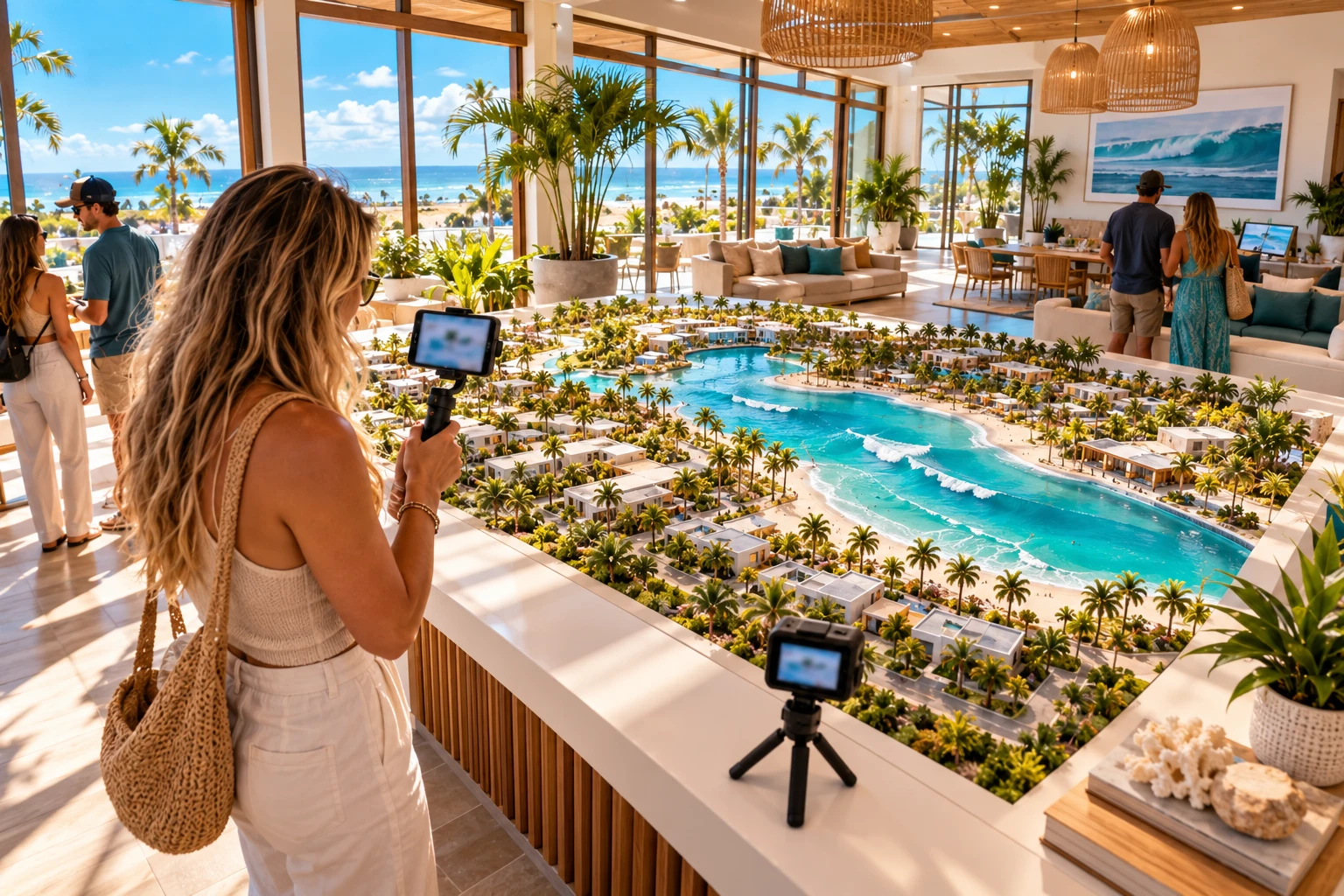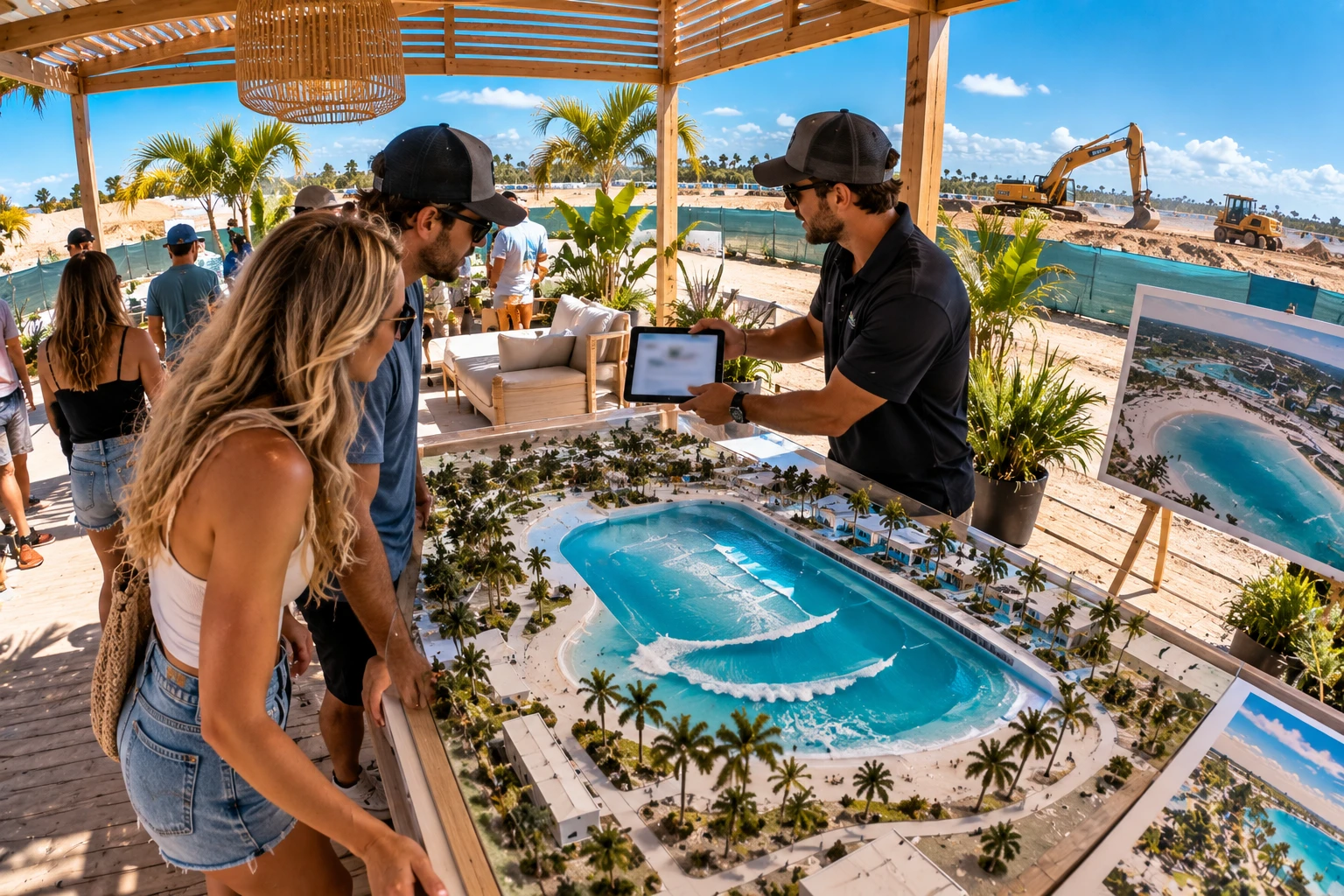
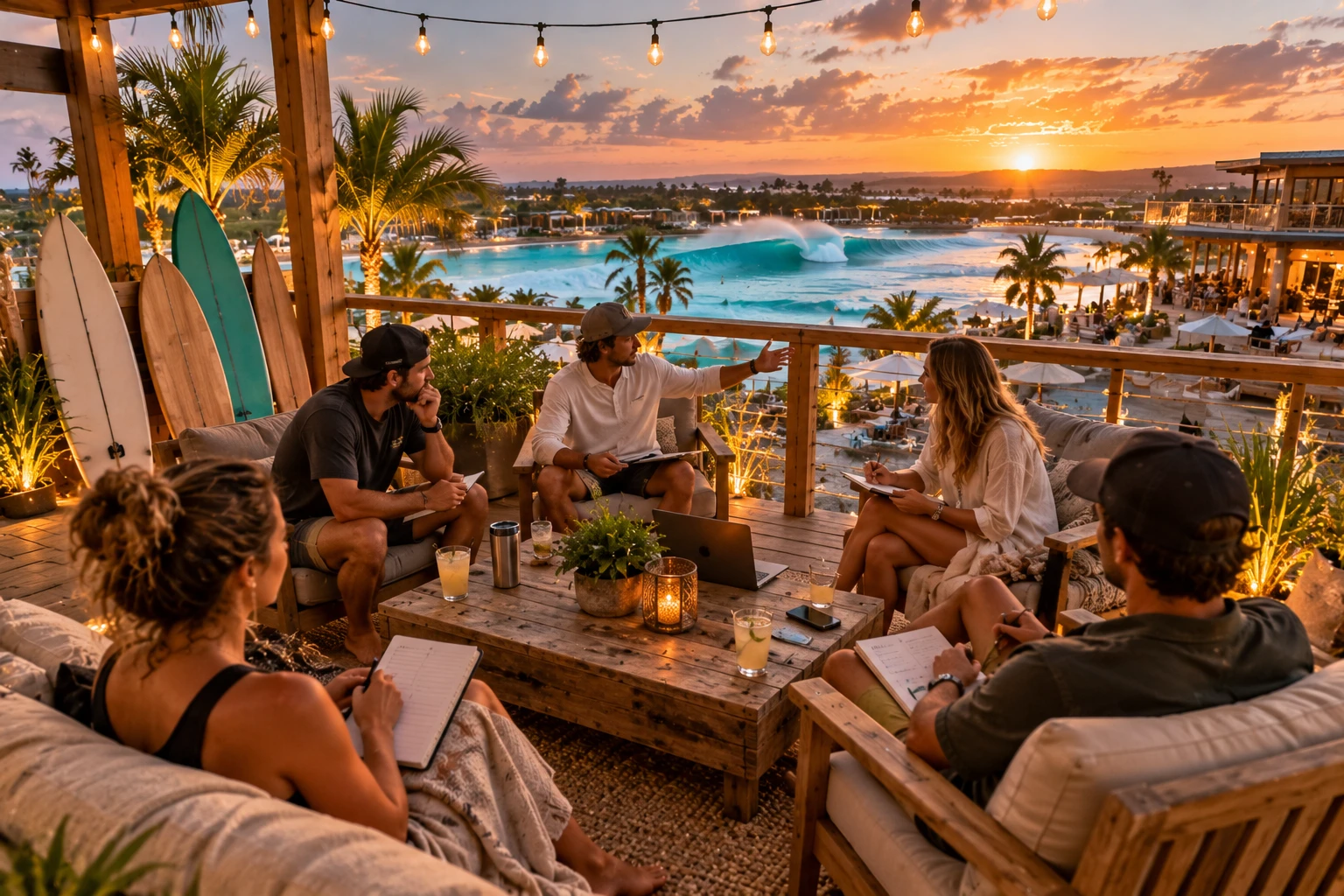
Surf resorts turn events and retreats into year-round bookings by packaging group experiences for slower months, building event pages that planners can find in search, and publishing that content well before demand drops. Done well, surf resort retreats and events replace seasonal peaks with a steady pipeline of group inquiries.
Most surf resorts lean on warm-weather traffic and lose momentum when conditions shift. Retreat planners, corporate buyers, and wellness groups book on a different calendar, and they search with different language than traveling surfers. This guide covers which events work, how to get them found, and how to turn interest into confirmed group bookings.
Which Surf Resort Retreats and Events Fill the Slow Seasons?
The best shoulder-season events appeal to people who are not only traveling for waves. A few formats work especially well:
- Surf camps and clinics: Multi-day coaching programs for beginners, intermediate surfers, or youth groups.
- Corporate retreats: Team offsites that combine meeting space, catering, and team-building activities in one destination.
- Wellness weekends: Yoga, recovery, and mindfulness programs that pair naturally with ocean or wave sessions.
- Competitions and seasonal surf events: Contests and themed gatherings that create a reason to visit on specific dates.
- Weddings and celebrations: Group stays where guests may extend their visit and return later.
Each format attracts a different buyer, so each needs its own page and its own message. Keep all of them under one consistent resort identity, as covered in our guide to presenting every amenity as part of one destination.
How Do Retreat Planners Search Differently Than Surfers?
A corporate buyer searching for “team retreat near a surf destination” uses completely different language than a solo traveler looking for good waves. The person researching a corporate retreat is often an office manager or HR professional, not a surfer.
That planner is looking for practical details:
- Meeting space and capacity
- Catering options
- Group pricing
- Team-building activities
- Lodging for the whole group in one place
If your site only speaks to wave riders, you are invisible to that buyer. Reaching both audiences means separate content, separate landing pages, and separate local search signals running at the same time.
One more caveat: surf park search terminology is still emerging as an industry. Watch how the language evolves and adjust your keyword targets as it settles.
How Do You Build Event Pages That Get Found?
Event and retreat pages work best when each one is built around a single, high-intent category rather than a generic “groups” page.
Give each event type its own page
Create dedicated pages for corporate retreats, wellness weekends, surf clinics, and seasonal group packages. A planner who lands on a page that matches their exact need is far more likely to inquire.
Answer the core questions above the fold
Put capacity, what is included, dates or availability, and a clear inquiry button near the top. Planners compare several venues quickly, so make the essentials easy to find. Pages should also load fast, especially on mobile.
Write answer-ready content
Add FAQ sections and short, direct answers to common planner questions. AI tools like ChatGPT and Google’s AI Overviews increasingly pull answers from pages structured this way, and voice assistants do the same.
Keep an up-to-date event calendar
A calendar page with upcoming camps, retreats, and seasonal events gives search engines and guests a reason to come back. Remove past events or move them to an archive so the page stays accurate.
Align your local listings
Make sure your Google Business Profile reflects your event and retreat offerings. Larger resorts with distinct venues or departments may wonder whether those deserve their own listings, and our post on when a resort can run more than one Google listing explains the rules.
What Should a Group Booking Inquiry Flow Include?
A strong page means little if the inquiry process loses people. Keep the path from interest to conversation short and clear:
- A focused inquiry form: Ask for group size, preferred dates, event type, and any must-have needs like meeting space or dietary requirements.
- Package detail pages: Let planners review what is included before they reach out, so inquiries arrive better qualified.
- Capacity specs: Publish room counts, meeting space sizes, and group limits so planners can rule you in quickly.
- Fast follow-up: Respond promptly with a tailored proposal. Group buyers are often comparing several venues at once.
Capturing planners earlier in their research also helps. Blog posts, FAQ content, and structured data bring in qualified traffic before a planner has shortlisted venues, which fills your inquiry pipeline steadily instead of only during summer.
How Do You Plan a Seasonal Content Calendar?
Off-season demand drops predictably, which means you can plan around it. The most useful approach is to publish off-season retreat packages, shoulder-season pricing content, and wellness event calendars 60 to 90 days before slower periods begin, rather than marketing reactively once bookings slip.
A simple seasonal calendar might include:
- Off-season retreat packages published well ahead of the slow months
- Shoulder-season pricing pages updated each year
- Wellness and surf camp schedules posted as soon as dates are set
- Recap content after each event to show what attendees experienced
Track which pages drive real clicks and inquiries in Google Search Console, then refine your calendar each month based on what is working.
Example: A Spring Retreat That Kept Guests Coming Back
A well-known surf resort on the Pacific coast worked with Ohana to grow its visibility as a holistic retreat venue, not just a surfing destination. Content was optimized around popular seasonal surf events and wellness retreats, matched to the queries planners and guests were searching.
During a spring retreat, the resort saw a significant uptick in bookings that extended beyond the event date, followed by a steady flow of new guests. Families extended their stays and engaged with the local surf culture beyond the scheduled events, which showed that a good event strategy does more than fill a weekend. It builds a returning audience.
Results like these depend on the resort’s own content, photography, and team coordination, and search visibility builds over time.
Frequently Asked Questions
Do retreats still make sense for resorts that draw surfers almost year-round?
Yes. Even when surfers arrive almost all year, retreat and event positioning still pays off, because it captures non-surfer guests who travel with groups and book on a different calendar. For seasonal properties, retreats are often the most reliable way to keep rooms filled during slower months.
How much detail should a retreat page show about pricing?
Enough for a planner to judge fit. Starting prices, what a package includes, and group size ranges help planners shortlist you without a phone call. Custom quotes can still follow the inquiry.
Can one marketing team handle both guest and group bookings?
Yes, as long as the content is planned for both audiences. The same team can manage leisure and group pages, but each needs its own messaging, pages, and inquiry path so neither audience feels like an afterthought.
Key Takeaways
- Package surf camps, corporate retreats, wellness weekends, competitions, and weddings for slower months.
- Retreat planners search for logistics like capacity, catering, and pricing, so speak to them directly.
- Build a dedicated page for each event type with essentials above the fold and answer-ready FAQs.
- Keep the group inquiry flow short, specific, and fast to follow up.
- Publish off-season content 60 to 90 days ahead and refine monthly using search data.
If you want a partner to help connect surf resort retreats and events with search and guest bookings, see how Ohana approaches marketing for surf parks and resort properties. You can also get in touch to talk through your resort’s calendar.